
A new key, or a door that needs attention?
Those are two different conversations. If the lock works normally but keys have changed hands, rekeying an existing lock may be worth discussing. If the key sticks, the latch catches or the door needs an extra push to close, start with the symptom instead. Changing a key does not fix a door that is out of line.
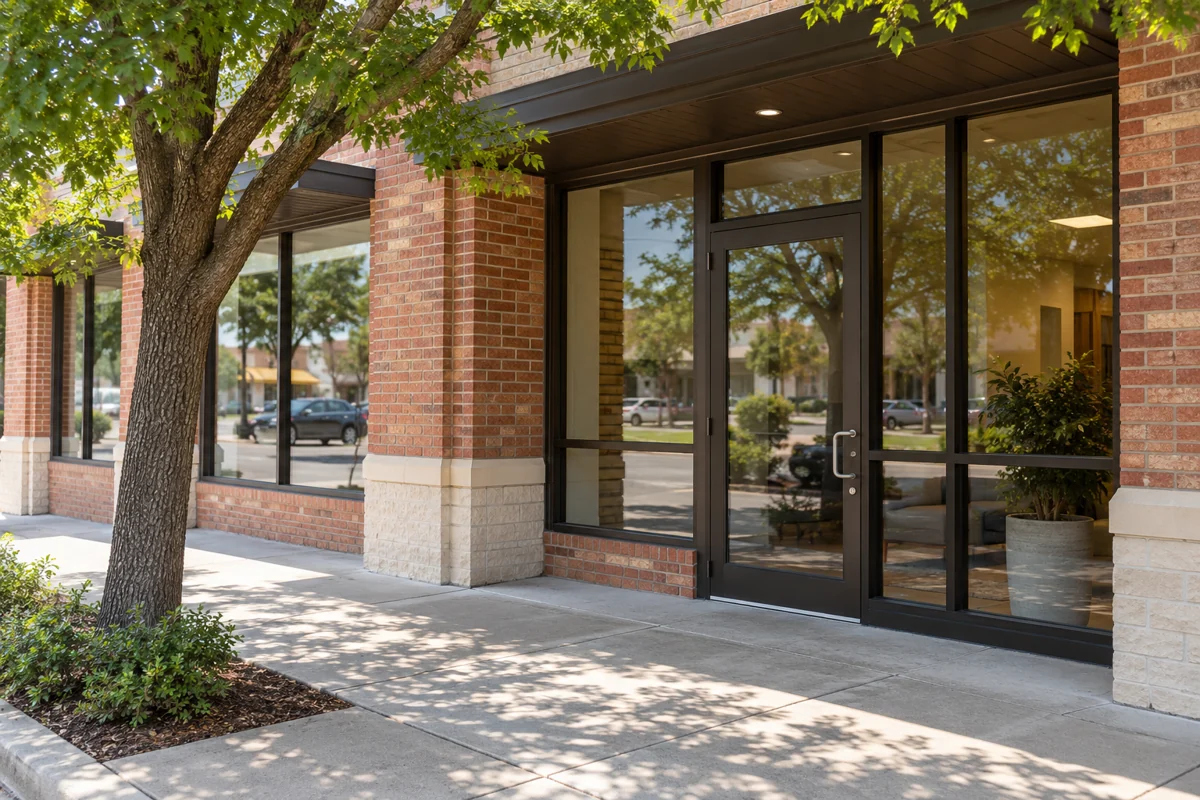
At a downtown shop, identify the customer entrance, stockroom door or rear exit involved. Tell us whether the problem happens with every key or with one particular copy. That small distinction helps keep the discussion focused on the affected lock, rather than a whole building's worth of hardware.
Keep the character; understand the hardware
Waxahachie's historic downtown makes existing door details worth a closer look. Age alone does not tell you whether a lock can be repaired or rekeyed. A clear description of the handle, keyway and door material is more useful than guessing the lock's brand from the age of the house.
If visible hardware changes are being considered at a historic property, the owner can check any requirements that apply to that address. For the lock itself, the lock repair page explains the difference between a key problem, latch trouble and a door that is not closing properly.
A short list before the call
Have the street address, affected door and a working key ready if one exists. For a rented home or business, know who can approve the work. If several doors are involved, say which ones you hope to use with the same key; compatibility needs checking before a final recommendation.
For a different address along your day, there are separate pages for Red Oak and Midlothian. Give the actual property location when calling so the request can be considered for that address.
- Which door or doors?
- What does the key or latch do?
- Who can authorize the change?